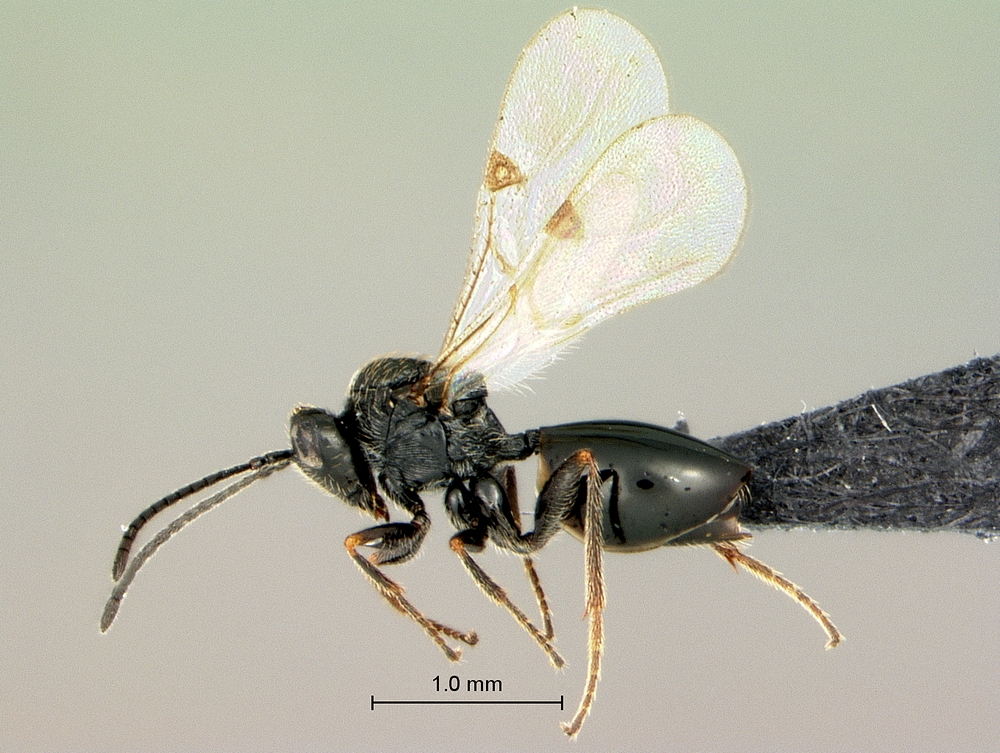
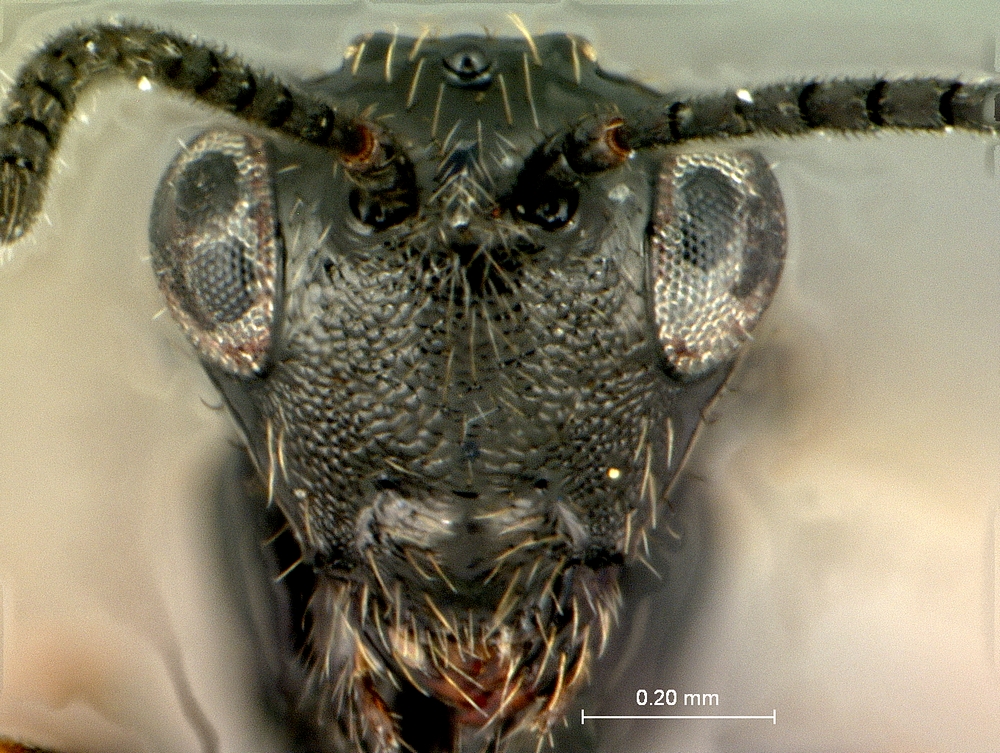
|
Distribution |
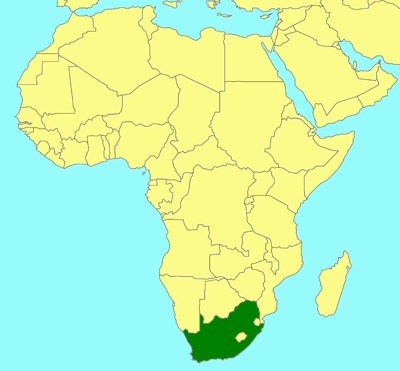
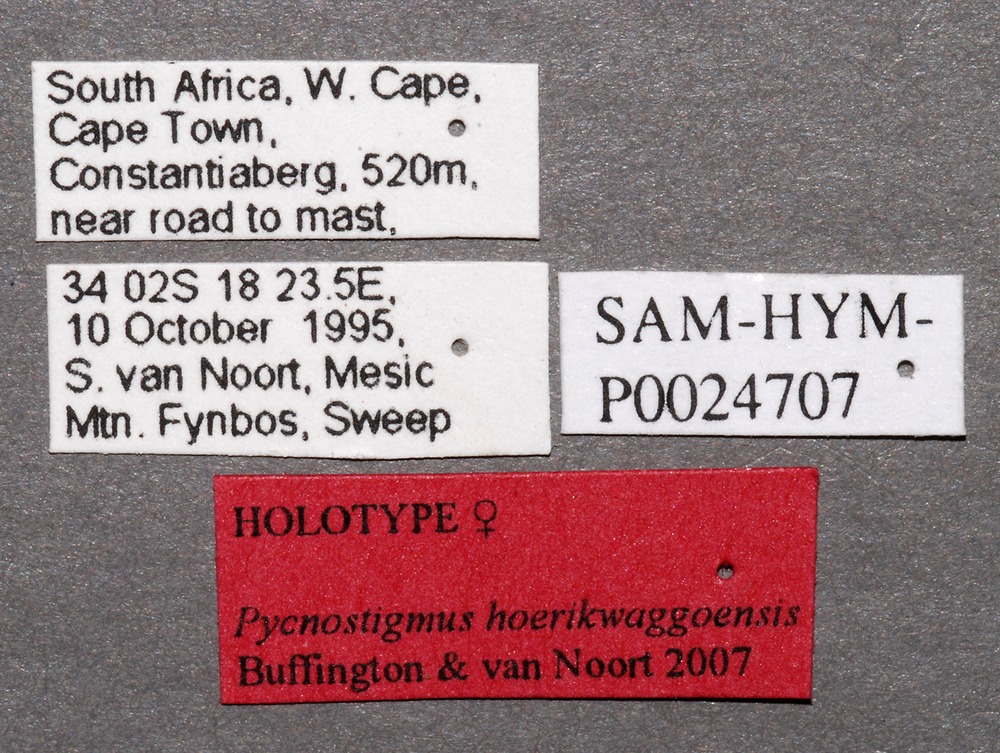
South Africa: Western Cape Province:
Constantiaberg (Table Mountain National Park) and Hottentots Holland
Mountains near Caledon. |
|
Biology |
Unknown |
|
Diagnosis |
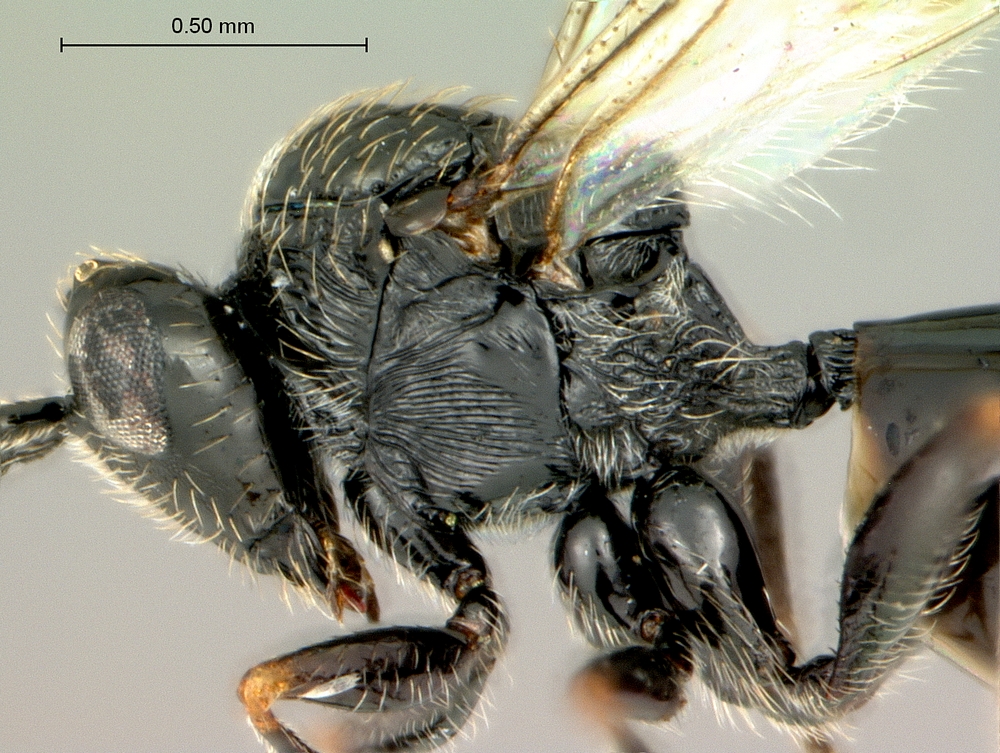
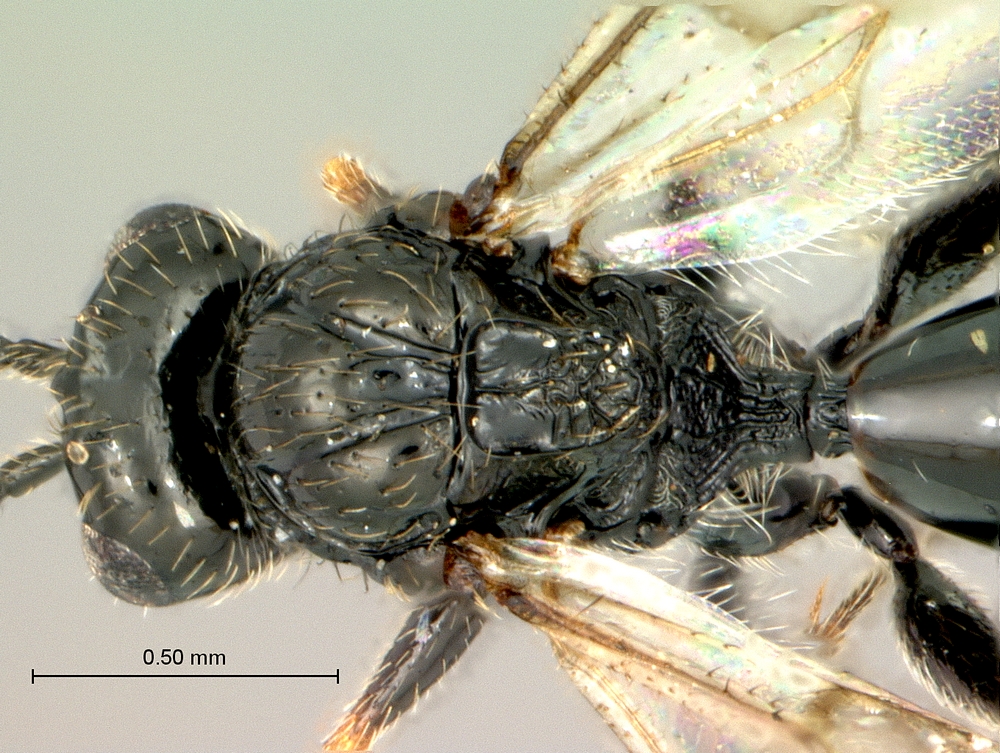
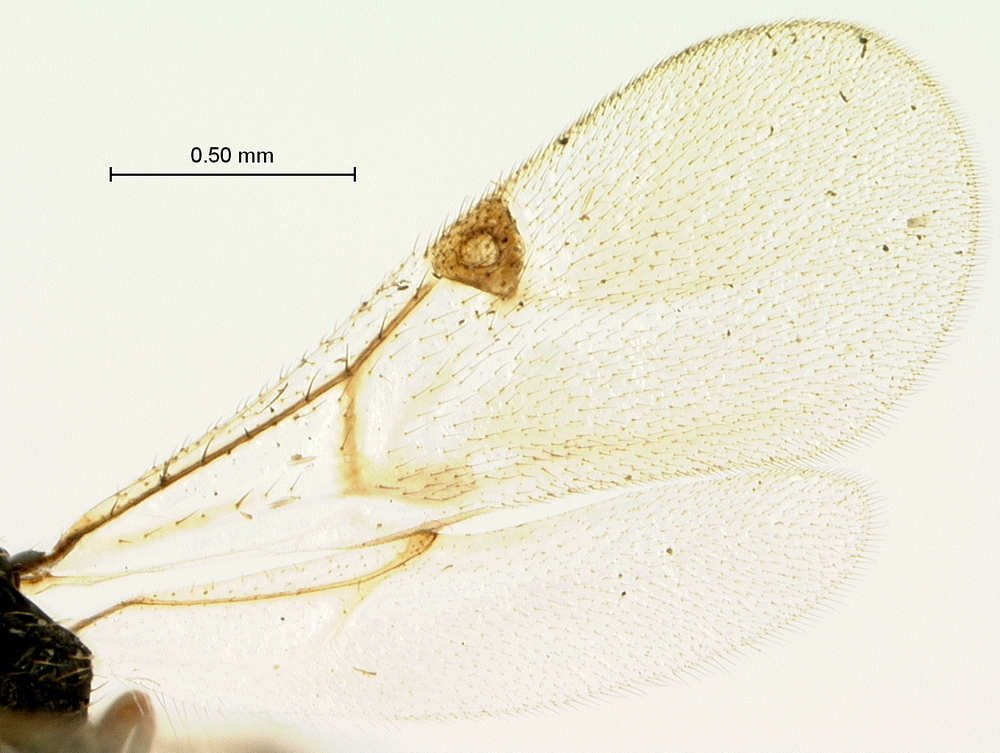
Separated
from P. mastersonae by head and mesosoma being non-metallic;
separated from P. fossilensis by having disk of scutellum
rugose (center smooth in P. fossilensis); separated from
P. rostratus by lacking deep fovea on the lateral aspects of
the pronotum (foveolate in P. rostratus); separated from P.
incognito by having numerous strigae on the mesopleuron (few to no
strigae in P. incognito). |
|
Etymology |
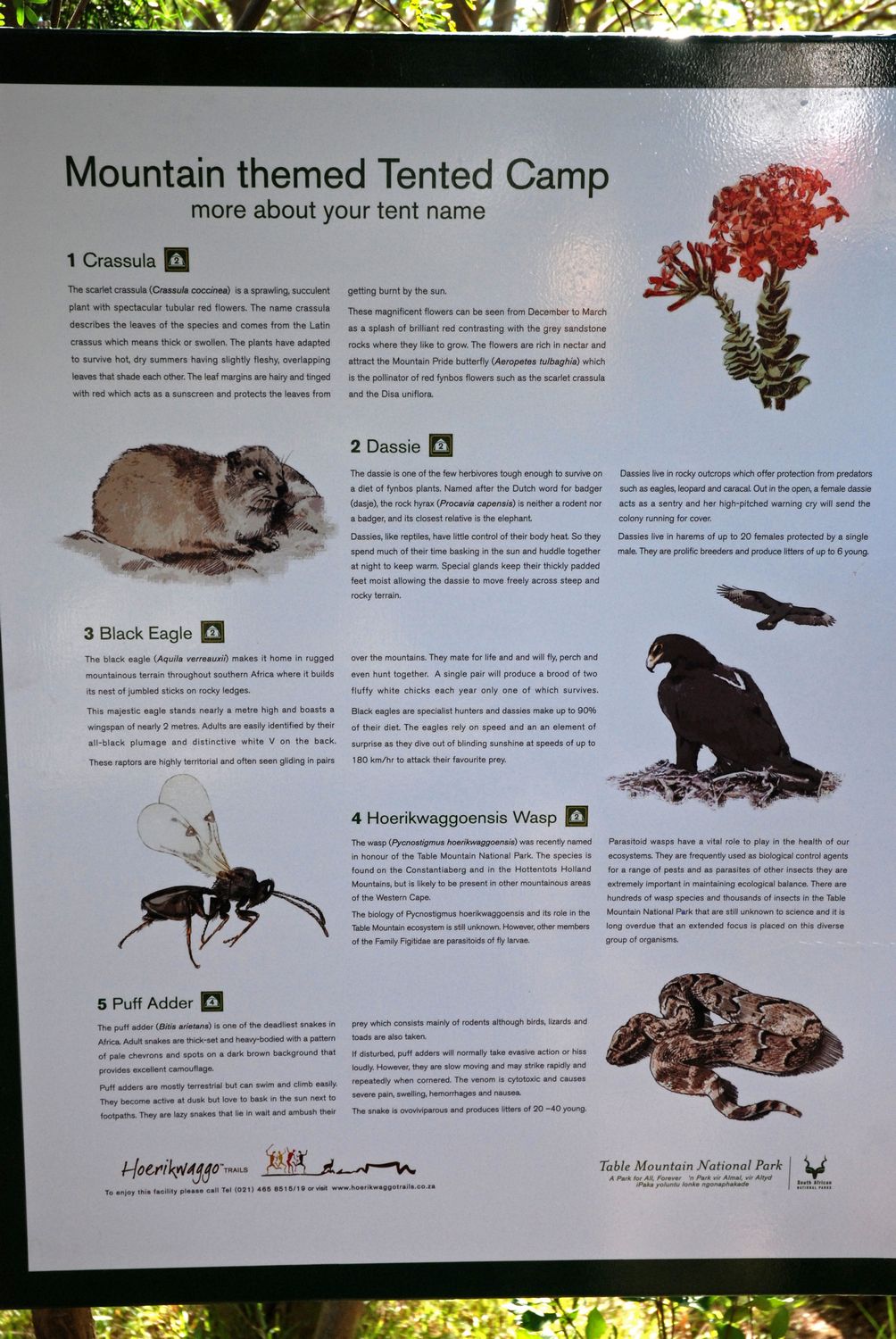
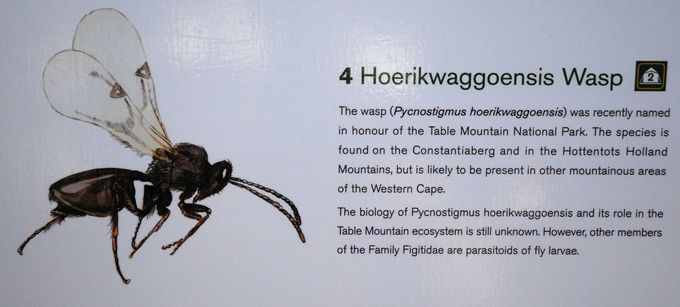
Named in honour of Table Mountain National Park. The original inhabitants of the Cape, the Khoi
Khoi, called Table Mountain Hoerikwaggo – "sea mountain" or "mountain
in the sea". The type locality, Constantiaberg, now
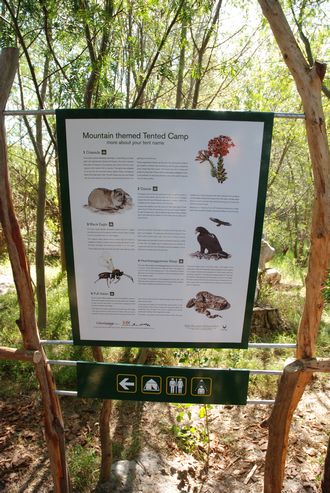
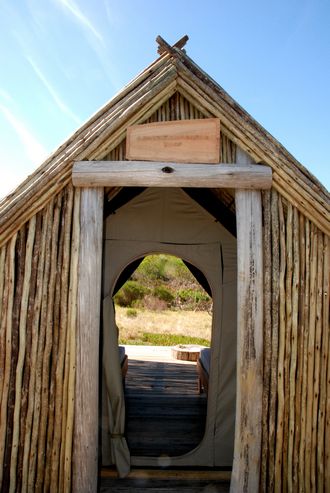
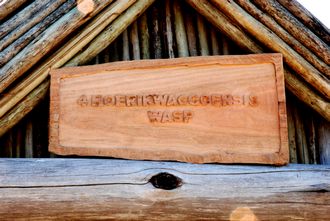
forms part of Table Mountain National Park. One of the tents at the Silvermine
tented camp (forming part of the
Hoerikwaggo trail) is named after the wasp. |
|
References |
Buffington,
M.L. & van Noort, S. 2007. A
world revision of Pycnostigminae (Cynipoidea: Figitidae) with descriptions of
seven new species. Zootaxa 1392: 1-30
|
Credits
|
Photographs
and map illustration © Simon van Noort (Iziko Museums of South Africa), first published in
Zootaxa 1392.
Matt Buffington (Systematic Entomology Laboratory, USDA/ARS) and Mattias Forshage (Swedish Museum of Natural History) both played an integral role in the development of the Cynipoidea pages.
|
|
|
Next genus:
Trjapitziniola
Next species: Pycnostigmus
incognito |
|